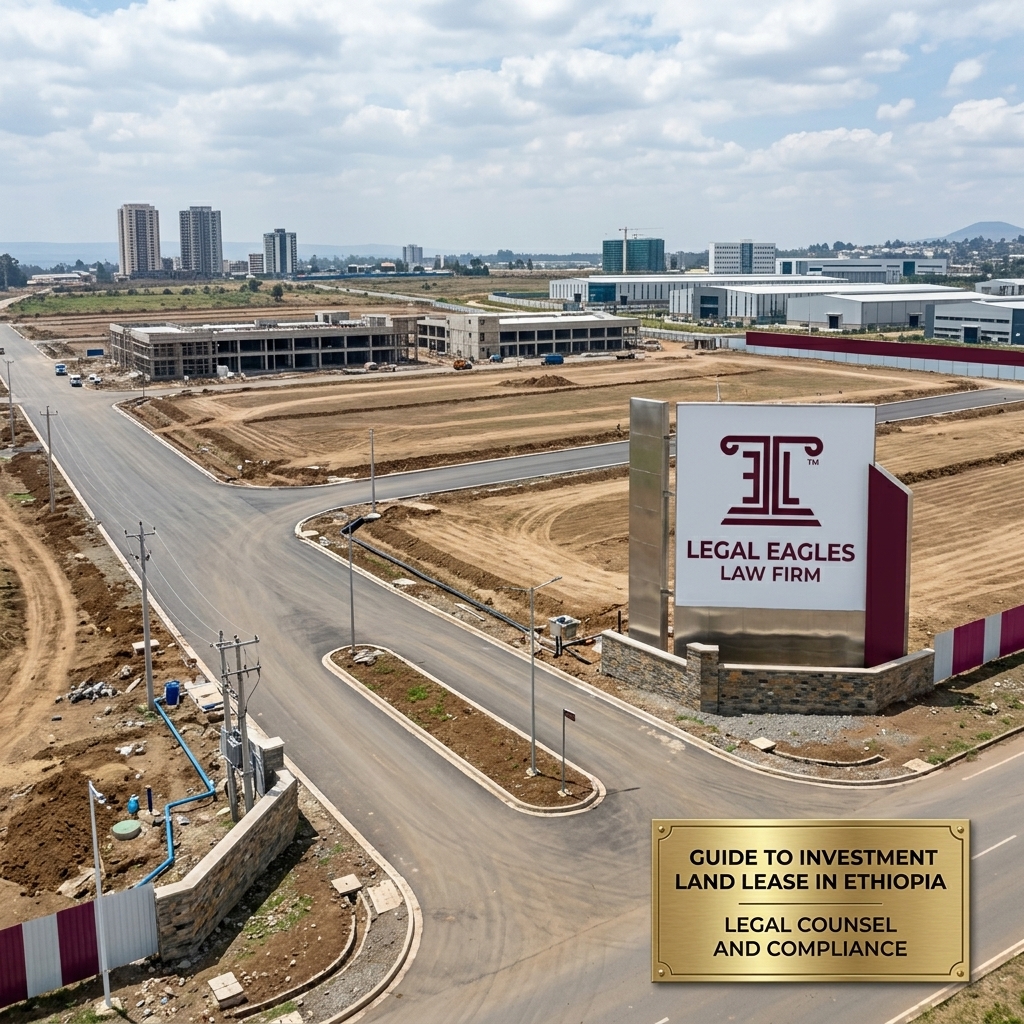
Land Lease and Investment in Ethiopia: How Investors Acquire and Use Leased Land
Under Article 40 of the FDRE Constitution, all land in Ethiopia belongs exclusively to the State and the public. Private fee-simple land ownership does not exist. Instead, investors access land through urban leasehold rights or rural rental contracts.
Exploring land acquisition requires understanding the legal routes, the step-by-step application procedure, and statutory rules governing permitted land use.
Primary Legal Frameworks
- Urban Land Lease Holding Proclamation No. 721/2011: Regulates urban land acquisition, lease terms, transfer rights, construction conditions, and leasehold certificates.
- Investment Proclamation No. 1180/2020 & Investment Regulation No. 474/2020: It governs investor entry, sector eligibility, capital requirements, and land allocation.
- Regional Land Administration Laws: Manage rural, agricultural, and commercial land banks across regional states.
Modalities for Acquiring Urban Land
Under Proclamation No. 721/2011, urban land for commercial, industrial, or real estate development is accessed via two main routes:
- Competitive Tender (Public Auction): This is the standard pathway for standard commercial developments. Municipalities publish tender plots. Investors then submit financial bids and business plans.
- Direct Allotment (Special Grant): Reserved for strategic or high-priority projects approved by federal or regional cabinets. Typical beneficiaries include export-oriented manufacturing, industrial parks, social service infrastructure like hospitals and universities, and major infrastructure projects.
Step-by-Step Acquisition Process for Investors
1. Secure an Investment Permit
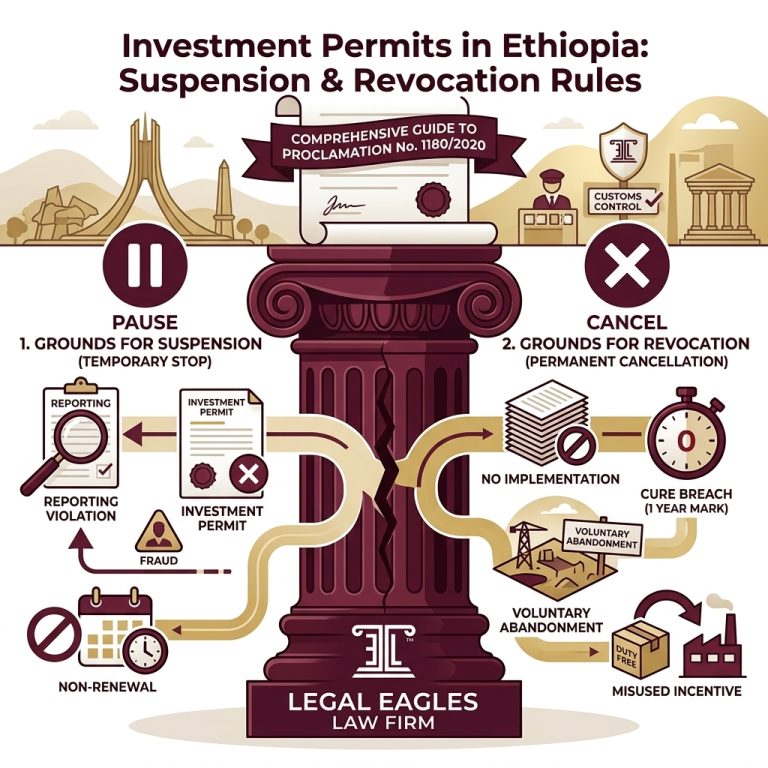
First, before applying for land, domestic and foreign investors must obtain an Investment Permit from the Ethiopian Investment Commission (EIC) or the relevant Regional Investment Bureau under Proclamation No. 1180/2020. Foreign investors must meet minimum capital thresholds unless exempted under specific investment categories.
2. Submit Land Request & Feasibility Study
For urban projects, investors submit a project profile and spatial requirements to the City Land Management Bureau or participate in an active urban tender. For industrial or manufacturing projects, requests can be made directly through the EIC One-Stop Shop or regional investment boards, which coordinate with central land banks.
3. Site Allocation & Due Diligence
Once approved, the relevant land administration agency identifies an unencumbered plot from the land bank. Investors must perform due diligence regarding zoning and urban master plan compliance, access to basic utilities, and Environmental Impact Assessment clearance.
4. Execute the Lease Contract
Upon plot selection, the investor signs a binding Urban Land Lease Contract or Rural Land Rental Agreement. This contract defines lease durations—which can extend up to 99 years depending on the sector and location—alongside grace periods, annual rental rates, and mandatory construction milestones.
5. Obtain Leasehold Title Certificate
Following the required down payment, the local municipality or land registry issues an official Leasehold Holding Certificate, granting the investor formal legal possession of the site.
Investor Rights & Legal Capitalization
- Pledging Rights (Mortgageability): Investors can pledge their leasehold right and any constructed structures as collateral to secure bank financing.
- Transferability: A leasehold right can be transferred, assigned, or contributed as equity into a corporate structure, provided the investor has met the minimum construction completion threshold required by law.
- Industrial Park Subleasing: Investors operating within state or private Industrial Parks can acquire pre-serviced land or factory sheds via sublease agreements with streamlined administrative procedures.