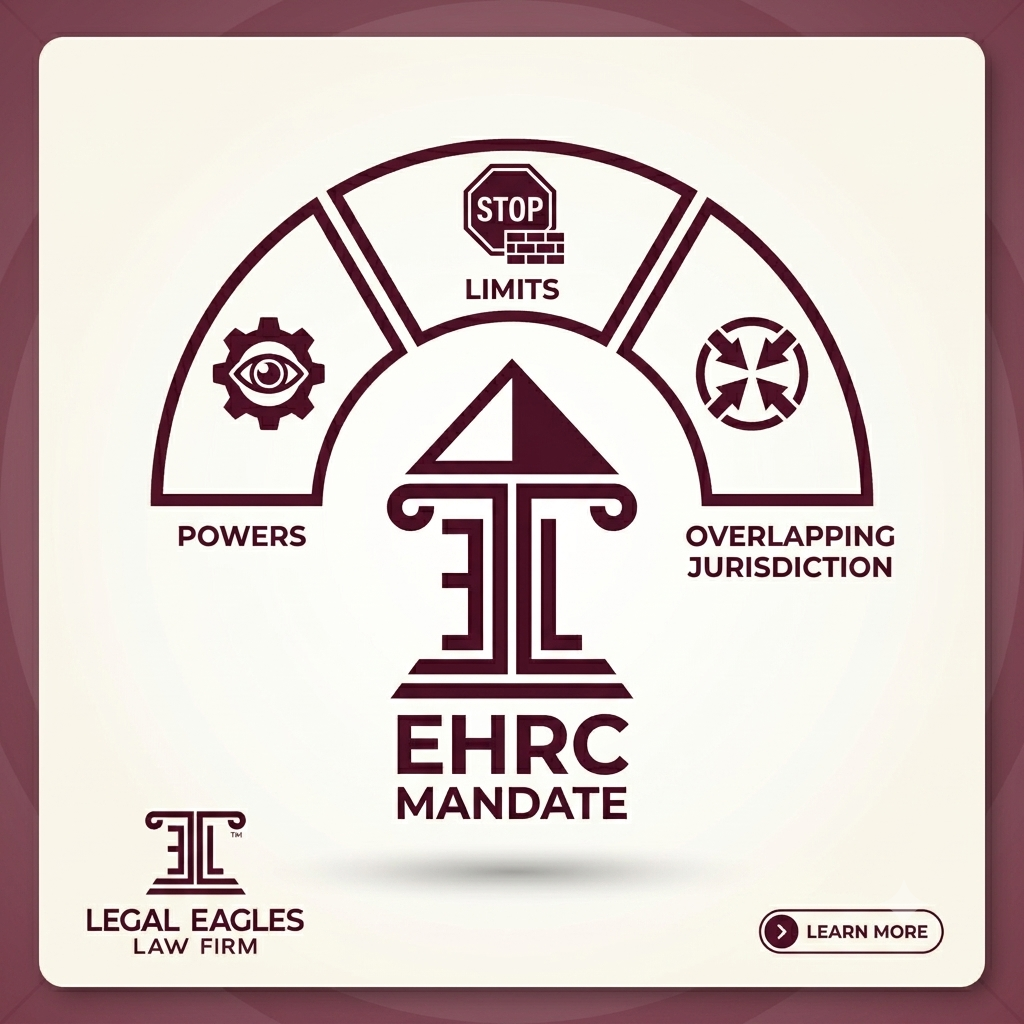
The Mandate of the Ethiopian Human Rights Commission: Powers, Limits, and Overlapping Jurisdiction
Ethiopia’s constitutional order rests on a key promise: an independent watchdog must back every guaranteed right. That institution is the Ethiopian Human Rights Commission (EHRC).
Here is a clear breakdown of what the EHRC can do, its strict limits, how to file a complaint, and how it shares authority with other bodies.
1. What Is the EHRC?
The EHRC is an independent federal state body reporting directly to the House of Peoples’ Representatives (HoPR). It serves as Ethiopia’s National Human Rights Institution.
- Legal Foundation: Established under Article 55(14) of the FDRE Constitution via Proclamation No. 210/2000 (amended by Proclamation No. 1224/2020).
- Core Objective (Art. 5): To educate the public on human rights, promote and enforce these rights, and take necessary action whenever violations occur.
- Presence: Headquartered in Addis Ababa with regional branch offices across the country.
2. Core Powers and Duties (Article 6)
The EHRC acts as an educator, legislative watchdog, investigator, and policy adviser. Its key powers include:
- Enforcing Rights: Monitoring compliance by citizens, state bodies, political parties, and officials.
- Reviewing Laws: Ensuring laws, directives, and government decisions align with constitutional rights.
- Educating the Public: Raising human rights awareness through mass media and outreach.
- Investigating Violations: Conducting investigations based on received complaints or on its own initiative (ex officio).
- Advising Government: Recommending legal reform, policy updates, and providing expertise on international human rights reports.
Key Takeaway: The EHRC does not need a formal complaint to act—it can launch investigations on its own. Its work is as much about prevention as it is about correction.
3. Statutory Limitations (Article 7)
Broad as its authority is, the EHRC’s investigative power has four explicit carve-outs. Under Article 7, the Commission cannot investigate a complaint if the matter is currently pending before:
- The House of Peoples’ Representatives
- The House of the Federation
- A Regional Council
- A Court of Law (at any level)
The case’s current location, rather than its subject matter, dictates this limit. Once a matter is before any of these four bodies, the EHRC’s investigative authority yields.
4. How Complaints Work (Articles 22–24)
- Who Can File: Victims, spouses, family members, legal representatives, or third parties. The EHRC also accepts anonymous complaints in cases of severe violations.
- Cost & Accessibility: Filing and investigations are 100% free. Complainants can submit grievances orally or in writing, using Amharic or any Region’s working language.
- Going to Court vs. Going to EHRC: Under Article 22(3), filing with the EHRC does not waive your right to take the same case to court. However, once you actually initiate court proceedings, Article 7 kicks in and the EHRC must step back.
5. Overlapping Jurisdiction with the Ombudsman (Article 29)
Because the Institution of the Ombudsman (Proclamation No. 211/2000) handles administrative justice, cases involving government actions often touch both mandates. The law resolves overlaps in two steps:
- Consultation First: The EHRC and Ombudsman consult to decide which agency should lead the investigation.
- First-Come Default Rule: If they cannot agree, the institution where the complainant first lodged the case keeps the investigation.
This rule protects complainants, ensuring that agency disputes over mandate boundaries never strand a case.
Summary Checklist
- Wide Mandate: Educates, advises, and investigates violations (with or without a formal complaint).
- Clear Border: Hands off once a case enters court or a legislative house.
- Zero Cost: Free to file, without forfeiting your right to file in court later.
- Fair Deadlock Rule: Overlaps with the Ombudsman stay with whichever agency you approached first.