A Legal Guide to Directive No. 1030/2024: Public Offerings and Investor Protections
Ethiopia’s financial landscape entered an exciting new era with the release of the Public Offering and Trading of Securities Directive No. 1030/2024 by the Ethiopian Capital Market Authority (ECMA). Issued to operationalize the Capital Market Proclamation No. 1248/2021, this landmark directive sets up the official rules of the game for companies looking to raise money from the public and trade shares on the Ethiopian Securities Exchange (ESX).
Whether you are an entrepreneur looking to fund your business, a shareholder curious about your rights, or an everyday investor hoping to grow your savings, understanding these fundamental rules is your best protection and advantage.
Here is a simple, straightforward breakdown of what Directive No. 1030/2024 actually means in practice.
The Capital Market Dictionary: Plain English Primer
Before diving into how companies raise money, it helps to decode a few core terms that the Directive formalizes in Chapter One (Article 2):
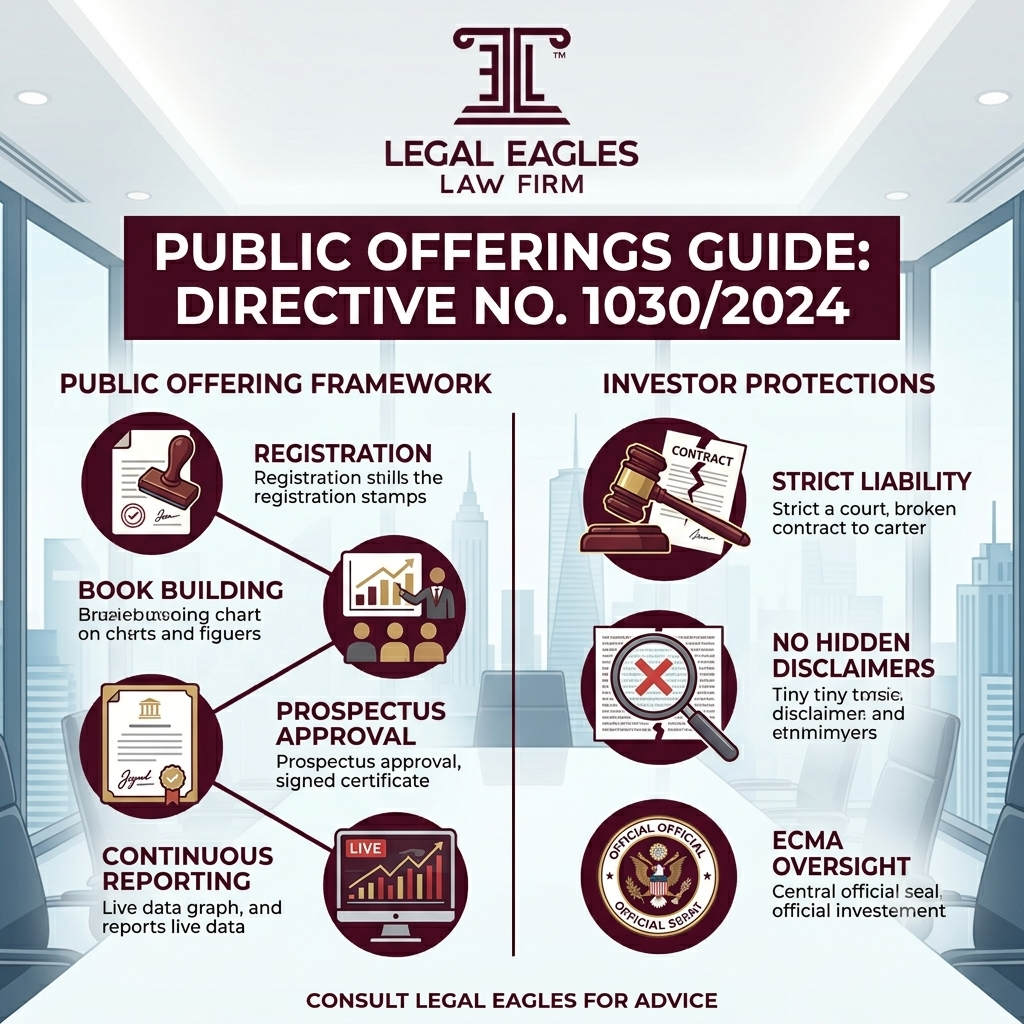
- Book Building & Book Runner: Think of Book Building as a mandatory test run to figure out what investors are actually willing to pay for a company’s stock before official public pricing. Companies hire a Book Runner—a licensed expert—to manage this process, collect buy orders, and set a fair market price based on real demand.
- Allotment Policy: What happens if 10,000 people want to buy shares, but the company only has 1,000 available?An Allotment Policy serves as the predefined rulebook that dictates how issuers fairly divide those shares among everyday retail buyers, big institutions, and major investors.
- Book Closure Date: The official cutoff date set by a company. The law guarantees that shareholders listed in the official register on this specific day will receive the next dividend payment or exercise their voting rights at the upcoming meeting.
- Bonus Shares: Extra company shares handed out to existing shareholders for free, proportionate to what they already own. Instead of paying out cash dividends, the company converts its saved profits into new shares.
- Business Days vs. Calendar Days: Pay close attention to this distinction when looking at legal deadlines. Business Days strictly exclude weekends and official Ethiopian public holidays. Calendar Days count every single consecutive day on the calendar, non-stop.
Raising Money: The Three Steps Every Company Must Take
Under Directive No. 1030/2024, no business can simply start selling shares to the public on a promise. The regulation builds a step-by-step trust pipeline before a single Birr changes hands:
- Registration with the ECMA: The Company must first submit a formal Registration Statement to the regulator, proving its legitimate existence through verified business licenses and legal corporate resolutions. Existing companies that raised public funds prior to this rule get a 12-month grace window to register retroactively.
- The Prospectus Approval: A prospectus is basically a comprehensive instruction manual and financial health report of the business. Before opening subscriptions, the company must submit its prospectus to the ECMA to verify that all financial figures, operational plans, and executive details are entirely transparent.
- Ongoing Continuous Reporting: Transparency does not stop after the initial share sale. The law obligates public companies to continually notify both the ECMA and the general public whenever major events happen—like big leadership changes, financial losses, or major new partnerships—so no inner group holds hidden information.
Protecting Your Money: Strict Liability and No “Hidden Terms”
Perhaps the strongest takeaway from Directive No. 1030/2024 is how hard it works to protect the everyday investor from fraud or misleading hype:
- Professional Advisory Requirement: Directive No. 1030/2024 prohibits companies from drafting a prospectus independently. They must hire independent, licensed legal advisors, financial transaction experts, and external auditors to audit their claims, verify asset titles, and check the math.
- Joint and Several Liability: If a company publishes a prospectus containing false statements, exaggerated claims, or crucial missing facts, courts can hold everyone involved personally liable for financial losses. This includes the business entity itself, its board of directors, promoters, and the independent lawyers or auditors who signed off on the document.
- No Hidden Disclaimers Allowed: The Directive explicitly forbids companies from inserting fine-print disclaimers that attempt to waive their legal responsibility to tell the truth.
- Strict Advertising Controls: Promotional materials, social media spots, and media coverage cannot use speculative hype like “guaranteed profit,” “100% risk-free,” or “can’t lose.” Furthermore, the ECMA must review and approve all advertisements before broadcast
The Takeaway
Directive No. 1030/2024 brings structure, fairness, and accountability to capital raising in Ethiopia. For businesses, it provides a transparent pathway to secure real capital for growth. For everyday citizens, verified disclosures, clear rules, and strong legal protections safeguard your hard-earned money when you invest in an Ethiopian enterprise.