Aviation Law and the Impact of Fuel Shortages in Ethiopia
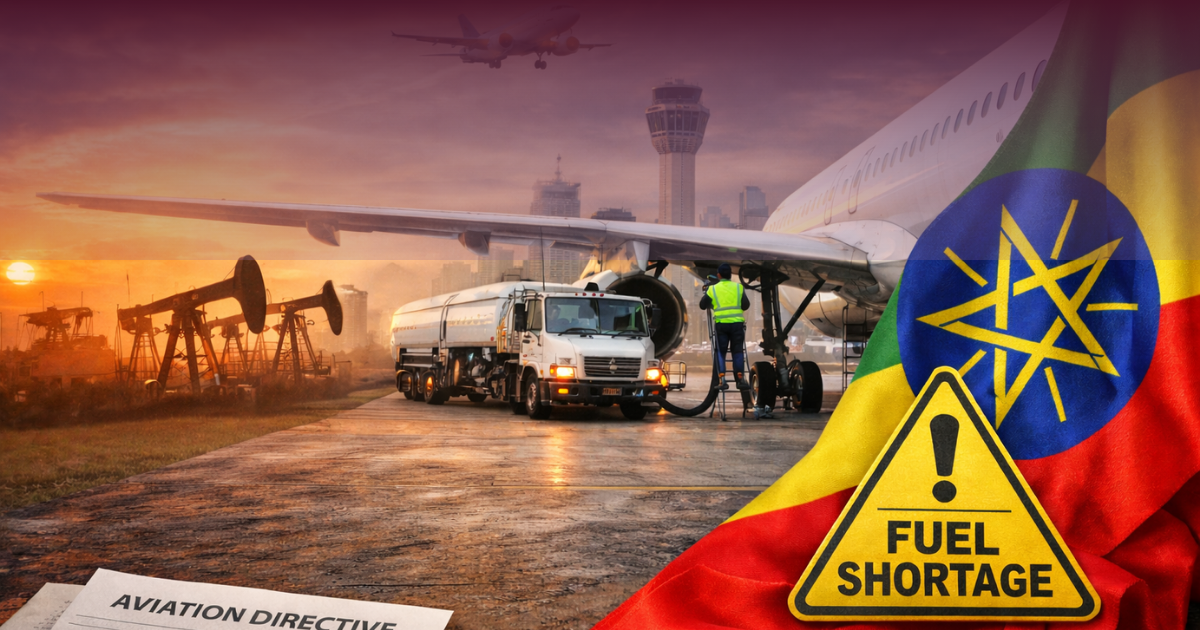
Ethiopia’s aviation sector is a cornerstone of its economy, connecting the country to global markets and supporting trade, tourism, and logistics. However, the recent fuel and oil shortages have highlighted how operational challenges intersect with aviation law, safety, and regulatory compliance.
At Legal Eagles Law Firm, we provide specialized legal guidance to help airlines, airports, and aviation operators explore these complex issues.
National Aviation Law and Regulatory Framework
Ethiopia’s aviation law is primarily governed by the Civil Aviation Proclamation No. 616/2008 (amended by Proclamation No. 1179/2020). This law empowers the Ethiopian Civil Aviation Authority (ECAA) to regulate air transport services, aircraft operations, and safety standards. While the proclamation does not specifically have a “fuel law,” it authorizes the ECAA to set standards that include fuel management, airworthiness and operational safety.
Complementing this, the ECAA issues detailed rules and standards (ECARAS) that translate legal authority into actionable operational requirements:
- ECARAS Part 5 – Airworthiness: Sets technical standards for aircraft maintenance and fuel systems, ensuring fuel quality, contamination prevention, and safe storage.
- ECARAS Part 8 – Operations: Covers flight operations, including fuel planning, fuel loading, and minimum fuel reserves, ensuring compliance even during supply disruptions.
- Advisory Circulars: Provide technical guidance on fuel systems, operational procedures, and airworthiness compliance.
These regulations ensure that airlines and operators maintain safety, compliance, and operational integrity under all circumstances.
International Aviation Standards
Ethiopia is a member of key international aviation treaties and conventions:
- Chicago Convention (1944) – Sets ICAO standards for safe, efficient, and regulated air transport.
- Warsaw and Montreal Conventions – Govern airline liability for passenger injuries and cargo damage.
- Cape Town Convention (2001) – Protects interests in aircraft equipment and leases.
These international frameworks intersect with domestic law, influencing operational safety, liability, and cross-border fuel management obligations.
Fuel Shortages: Legal and Operational Implications
The recent fuel crisis has created multiple challenges for aviation operators:
- Operational Safety: Airlines must still comply with minimum fuel reserve requirements and ensure aircraft airworthiness, even when supply is limited.
- Liability and Compliance: Mismanagement of fuel during shortages can trigger legal and insurance liability for operators, especially if it leads to operational incidents or accidents.
- Contractual and Commercial Impact: Fuel disruptions may activate force majeure clauses in contracts with suppliers, cargo clients, or service providers, requiring careful legal review.
- Economic Consequences: Increased fuel costs can affect ticket prices, cargo operations, and international flight scheduling. Legal guidance ensures operators remain compliant while mitigating financial and operational risk.